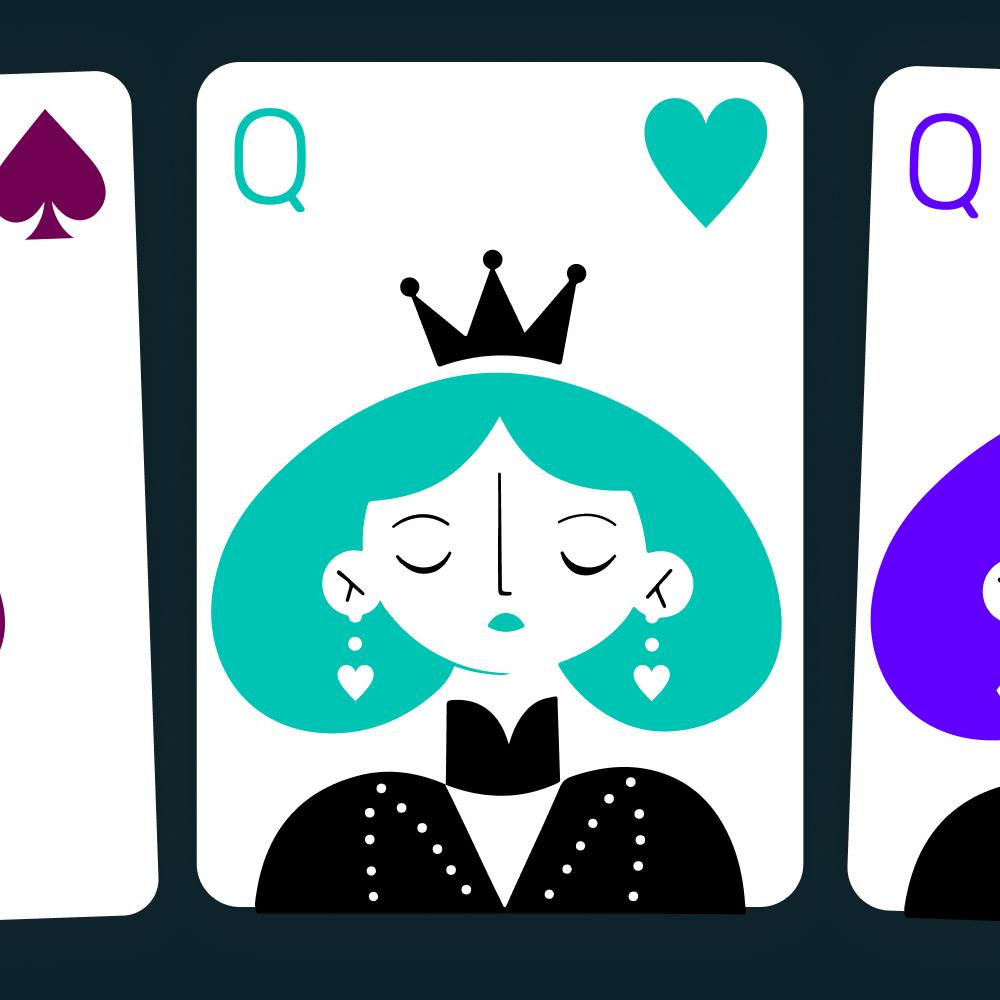
— Anya Taylor-Joy somehow crafted a very poised response when asked the most convoluted question. Talk about mental chess.
Iran War
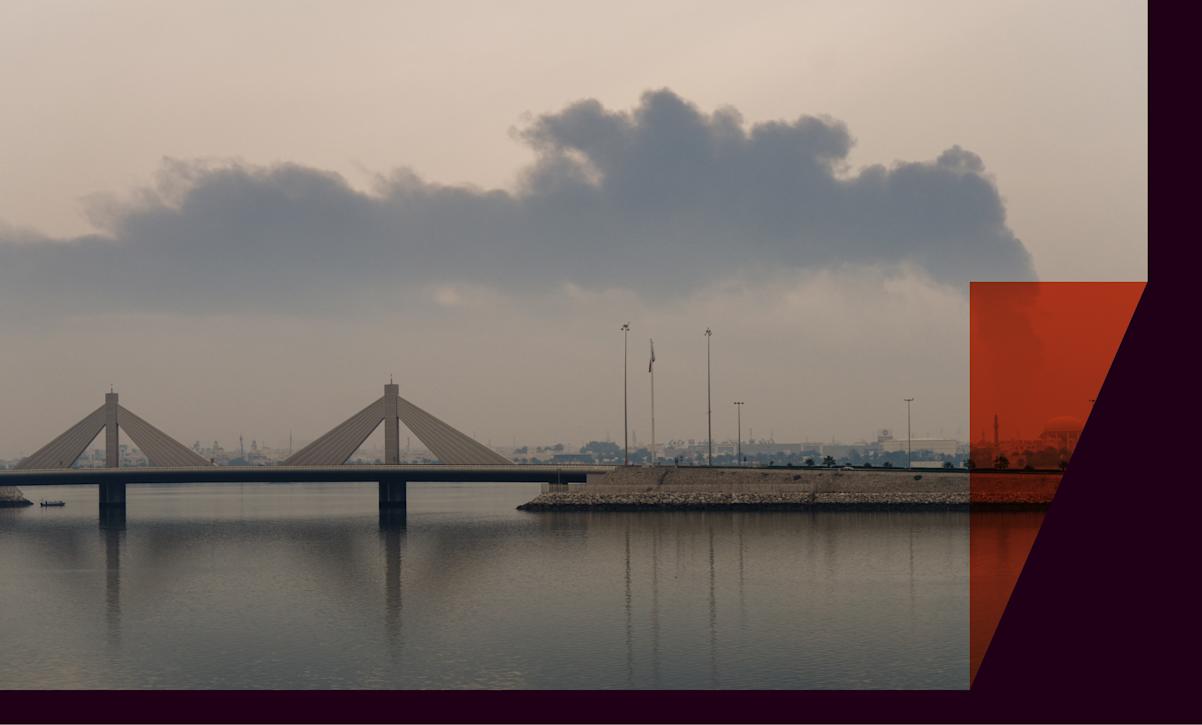
Is It Too Late To Clean Up This Oil Spill?
What's going on: At the end of February, crude oil prices hovered around $70 a barrel. Three weeks later, prices spiked to nearly $120 amid the US war in the Middle East. Americans are feeling it: AAA estimates the national average at the pump is $3.88 per gallon — up 30%. Tit-for-tat attacks this week have only upped the ante. On Wednesday, Israel struck South Pars — part of the world’s largest gas field, shared by Iran and Qatar. In response, Iran hit Qatar’s Ras Laffan Industrial City, which is home to the biggest liquefied natural gas plant in the world. (Global helium supplies didn’t need this.) President Donald Trump maintains the US didn’t know about Israel’s plan — though Israeli officials tell a different story. While Israel promises not to carry out a repeat attack, experts see signs of a growing rift between the allies.
The Trump admin’s response: To ease prices at home, Treasury Secretary Scott Bessent said the US “may unsanction” roughly 140 million barrels of already-shipped Iranian oil. The catch: It would undo years of foreign policy and potentially put more money in Iran’s pocket during wartime. The US might also release more oil from its reserves, but that has provided little to no relief so far. In the meantime, Defense Secretary Pete Hegseth requested $200 billion for the war, saying, “it takes money to kill bad guys.”
What it means: Experts say the attacks on energy infrastructure signal a new phase in the war that threatens to reshape the global economy and supply chain. They warn that oil could hit $150 a barrel, affecting prices on food, tech, and even health care. Not helping: Analysts say oil costs likely won’t come down right away, even if the war ends today and the Strait of Hormuz reopens. But as people stress about the price at the pump, at least 13 US soldiers have died, one human rights group says more than 1,300 civilians have been killed in Iran, and more than 1 million are displaced in Lebanon.
🗞️ One study found that ending fluoride in water could cost Medicaid $40 billion over three years to cover the costs of the extra cavities in kids. Ouch.
🗞️ Taylor Frankie Paul is speaking out after ABC canceled her season of The Bachelorette amid domestic violence allegations.
In Our Rotation
Still sorting receipts on your kitchen table? This tax season, scan, combine, organize, sign, and password-protect your docs in seconds. Shoebox era = over.*
What's going on: WNBA athletes just proved they can win off the court, too. This week, the players’ union struck a deal with the league after months of back and forth. Under the new collective bargaining agreement, the average salary will land around $600,000 — up from roughly $120K — according to ESPN. With a new $7 million salary cap, top players will be able to score a “supermax” contract starting at $1.4 million, a dramatic leap from roughly $250K, ESPN notes. Reports also indicate that players will receive just under 20% of the league’s total revenue before expenses — a major sticking point in negotiations, as players initially asked for 40%. But it's not game over just yet: The terms still need to be finalized, and everyone still has to sign on the dotted line.
What it means: Both sides are framing this win as a “major step” forward for the league’s growth and players. Yet, there’s an asterisk next to the milestone: There’s still a major gap with the NBA and other men’s leagues. But progress is progress. As the Seattle Storm’s Nneka Ogwumike put it, the “well overdue” agreement is “changing lives in real time.” And you can see it in action already: Las Vegas Aces’ A’ja Wilson is expected to get a “supermax” $1.4 million salary (talk about balling out). There’s also a practical upside: The season will start on time. No lockout drama, no delayed tip-off — just better-paid athletes and a league that’s finally starting to pay like it believes in its own product.
What's going on: Surprising absolutely no one, Finland topped the 2026 World Happiness Report for the ninth year in a row. Maybe it’s those fun sauna hats. But in reality, experts say it’s because they live in a welfare state with a more equal distribution of wealth. Other Nordic countries also cracked the top 10 (again), including Iceland, Denmark, Sweden, and Norway. Costa Rica deserves a round of applause for climbing its way up to fourth place. Meanwhile, the US is stuck at spot number 23. But not everyone is smiling.
The sad part: The report focused more on youth happiness than ever before, and the kids aren’t alright. Over the past decade, people under 25 in the US, Canada, Australia, and New Zealand have become less happy. Researchers link that drop to time spent online, especially for teenage girls. But it depends on how young people use it: Do they play video games for hours or learn a new skill? The survey also notes that “negative emotions are becoming more common in all global regions.” Being happy is more complex than we thought.
You have good taste. That’s why we’re presenting you with the top five products you, our Skimm shoppers, bought and loved the most in March so far. Check out:
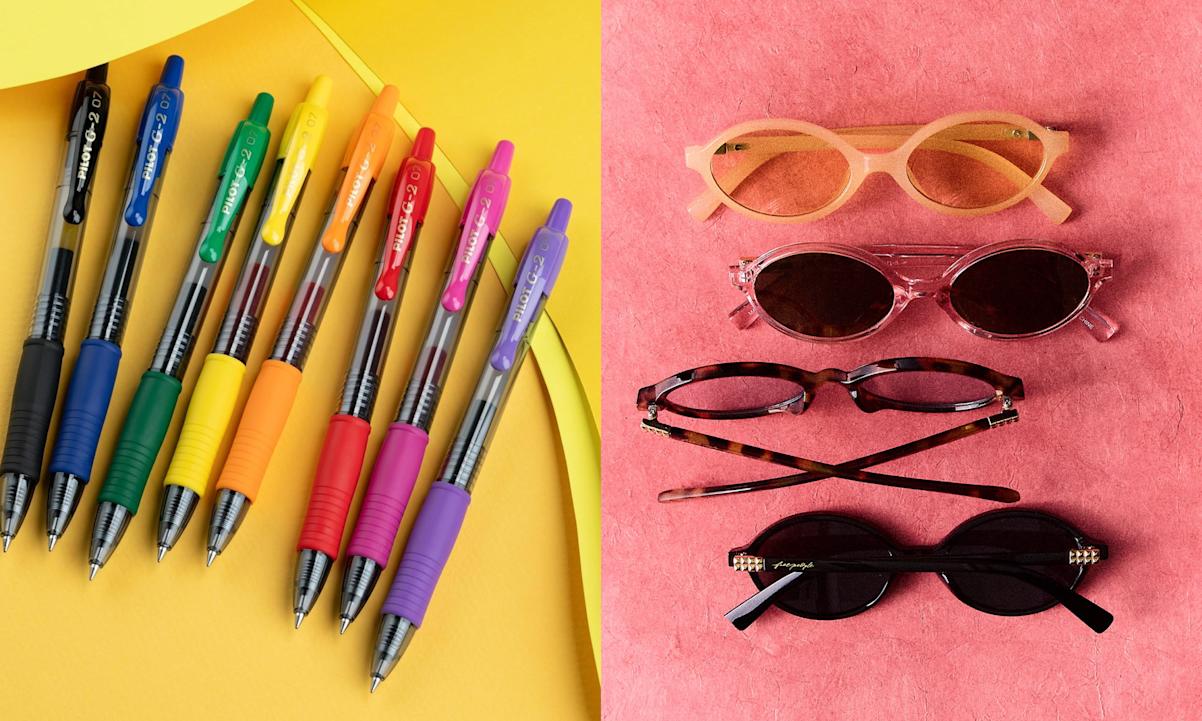
A pair of $25 sunglasses that happen to be a Miu Miu dupe
The softest-ever pajamas that rival more expensive versions
Cakes just launched their very first boob tape. It's pre-cut, easy to reposition, and doesn't feel like a form of medieval torture to peel off due to the gentle silicone adhesive. This'll be your summer wardrobe's unsung hero.
Kelly Mahaney (FL), Alix Duchouquette (TX), Anne Marie Ristow (FL), Alyssa Smith (NE), Kate Brown (DC), Libby Cheney (TX), Kelly Hotz (CA), Linda Dick (CT), Karen Tovell Weber (IL), Rachel Walker (SC), Emilee Blouin (MI), Sara Patton (FL), Sandy England (MD), Allison Belanger (CA), Harry Zander (IL)
Skimm'd by: Rashaan Ayesh, Molly Longman, Maria del Carmen Corpus, and Marina Carver. Fact-checked by Sara Tardiff.
Photos by Fadhel MADHAN/AFP and Tashi-Delek via Getty Images, Brand Partners