— Zendaya gave fans a peek at a video from that occasion. She totally nailed the part.
Voting
Republicans Want To Serve the SAVE Act on a Gold Platter
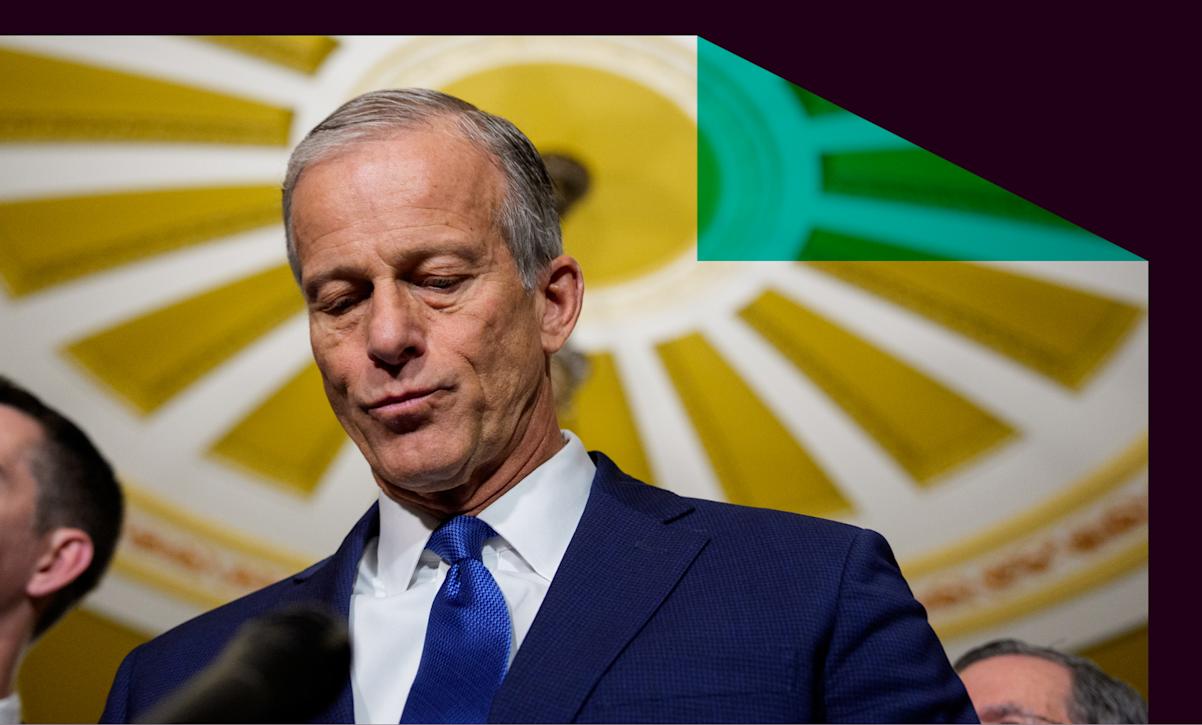
What's going on: The hottest topic on the steps of Congress right now is the SAVE America Act — a sweeping election bill that would require strict voter ID nationwide. The House passed the measure last month, but it has stalled in the Senate. To help push it through, Senate Majority Leader John Thune (R-SD) kicked off what could be a weeks-long floor debate yesterday. But the bill faces an uphill battle in the upper chamber. Nearly every Democrat — and at least one Republican — opposes it, complicating the 60 votes needed for passage. That’s bad news for President Donald Trump, who calls it his “number one priority” and says he won’t sign other legislation until the act passes (some bills would still become law without his approval).
What it means for voters: If the measure somehow passes, it would mark one of the biggest changes to national voting laws since the 1965 Voting Rights Act. To register, voters would need to show a passport, birth certificate, an Enhanced Driver’s License (which only five states offer), or other government-issued ID proving citizenship (REAL IDs don’t count). It would also require photo ID at the polls and copies to request and return mail-in ballots. Women who changed their last name after marriage could also face difficulty voting if all of their documents aren’t updated. One analysis estimates more than 21 million Americans could be shut out of voting if the bill passes.
That’s not all: Since the SAVE Act would go into effect as soon as Trump signs it, election officials warn that states are woefully underprepared and understaffed to meet the requirements — especially since the bill doesn’t include extra funding. Mail-in voting could effectively be eliminated for some voters, who would now need to include a photocopy of their ID with their ballot. All during a pivotal election year. Reminder: While Trump and Republican leaders argue the country needs the bill to fight widespread voter fraud, there is no evidence that it is a rampant problem.
🗞️ Against stacked odds and amid political turmoil, Venezuela just beat the US in the World Baseball Classic.
In Our Rotation
Stop guessing in the wine aisle. Get insider access to sommelier-worthy bottles — plus 25% off, shipping included.*
These cardigans layer nicely under your spring jacket, but they'll stand on their own when that afternoon sun hits.
Keep scrolling...more recs below
Technology
The New, Digital Fog of War
What's going on: Watching any war unfold is heart-rending and harrowing — and that’s beforemisinformation enters the picture. Now, AI is making that problem worse. As generated content grows more advanced, it’s also getting harder to spot. Amid the conflict in Iran, increasingly convincing fakes are everywhere, depicting destroyed neighborhoods that were never attacked and war crimes that never happened. Things have gotten so bad that Israeli Prime Minister Benjamin Netanyahu had to prove he’s alive and not an AI clone. Fakes are especially terrifying and dangerous for people who live in or have family in affected areas, but they also shape public opinion in real time and undermine the all-too-real tragedies.
So how do you figure out what’s real? It’s not easy, but the first step is vigilance. When you see information about the war, pause and assess the source. Credible outlets rely on fact-checking (shout out to our wonderful fact-checkers at theSkimm). If a post doesn’t appear to have that, don’t take it at face value. Look for confirmation from a second reputable source before you believe — or share — anything. You can also try AI detection tools but, as The New York Times’ reviewers found, some work better than others. Another smart move: search for multiple images or videos of the same event from different angles. Real events tend to leave more than one trace.
What’s going on: If AI’s rapid growth has you wishing for a crystal ball to predict your job security, we get it. But in the absence of magic, a new study from GovAI and the Brookings Institution could help determine what jobs are most at risk. You can check yours here. No surprise, there are professions — like translators and secretaries — that are vulnerable to automation. And more bad news: Women make up about 86% of them (sigh). But there’s good news too: The same research found that workers in high-risk jobs often have the most transferable skills, which can make it easier to find new jobs.A small comfort for when it’s time to revisit LinkedIn.
Should we be changing careers?: Not necessarily. Although this study takes a novel approach to data that’s worth considering, researchers have historically been inconsistent at predicting how new technology will affect workers. (We’re still waiting on that 15-hour work week, John Maynard Keynes.) Even those cranking out studies in AI say the research is full of contradictions and confess they’re often guessing about what the future holds. So, don’t go all Jerry Maguire on a feeling that your job could be eliminated. Instead, keep your eye on the labor market. Find ways to hone skills that are adaptable and diverse, and always be ready to pivot.
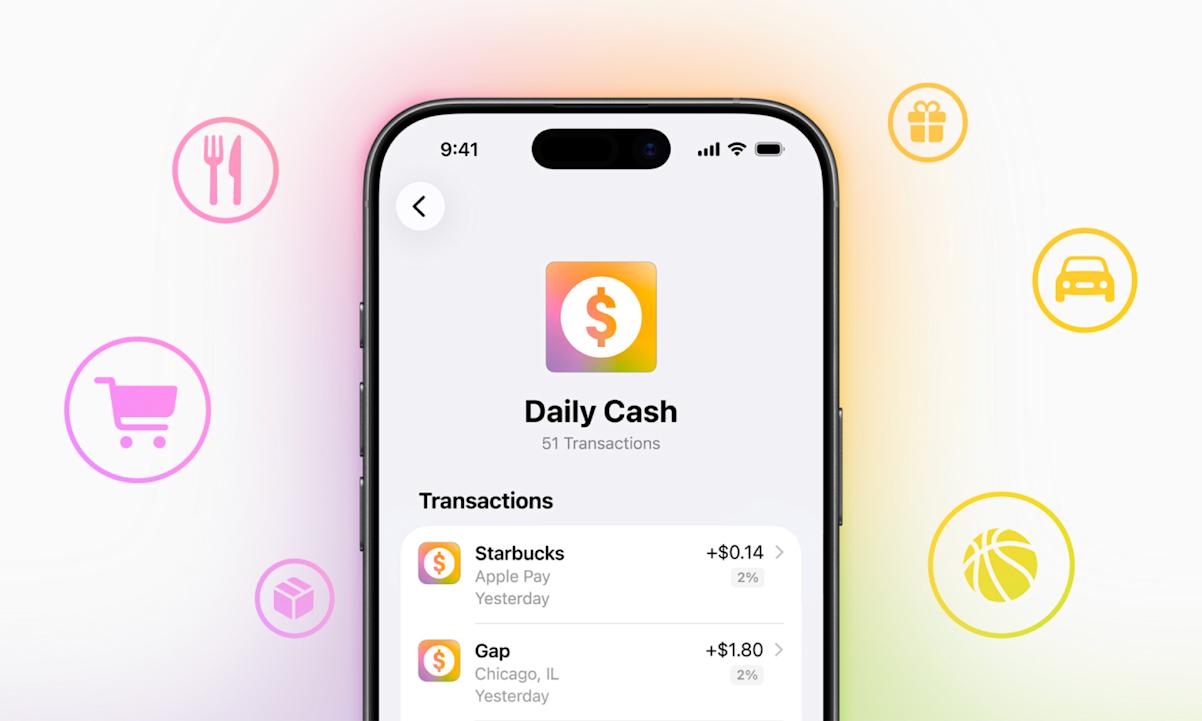
Imagine earning 2% Daily Cash back on everything, every day — including your morning coffee, pilates class, and even your family vacation. That’s what happens when you use Apple Card with Apple Pay. You earn Daily Cash back with no points math to do and no miles to figure out. Just real cash that never expires. Ever.
☘️ We’re green with envy over Kate Middleton’s on-theme outfit for St. Patrick’s Day.
🧴This peptide-packed cream boosts your skin’s ability to maintain collagen levels for a rejuvenated look.†Get 20% off with SKIMM20.*
We Needed This
On Our Calendar
A few things to jot down today…
🗓️ Over the next two days, eight teams will compete for the final four spots in the women’s NCAA March Madness tournament. Who’s ready to dance?
🗓️ Psychological thriller Imperfect Women, with Elisabeth Moss, Kerry Washington, and Kate Mara, is out today on Apple TV. It’s giving Big Little Lies energy.